Our Technology
EVE16™ Platforms
High-Precision Engineering of Immune Cells Directly Inside the Body
The EVE16™ platform enables high-precision engineering of cytotoxic and phagocytic immune cells directly in vivo. By combining targeted mRNA delivery with engineered immune receptor biology, EVE16 converts endogenous immune cells into programmable anti-disease effectors without the need for ex vivo cell manufacturing.
This approach harnesses the natural diversity and scalability of the immune system while avoiding the complexity, cost, and logistical constraints of traditional cell therapies.

Mobilization of the Entire Immune System for Targeted Cell Elimination
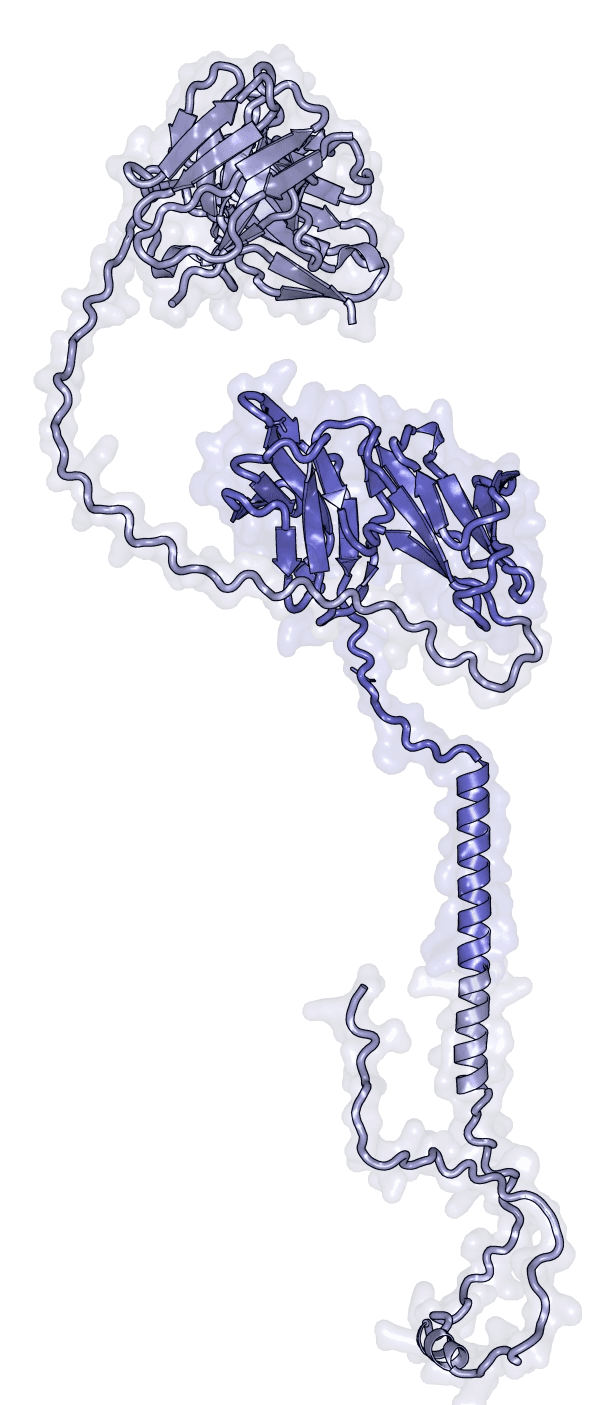
EVE16 is an engineered immune receptor built on the human CD16A framework, a potent activating receptor naturally expressed on Natural Killer cells and monocytes.
EVE16 extends this biology to engage the full endogenous immune circuitry, including:
Cytotoxic CD8⁺ T cells
Helper CD4⁺ T cells
Natural killer (NK) cells
Phagocytic monocytes and macrophages
Unlike synthetic receptors that rely on artificial signaling constructs, EVE16 leverages endogenous immune signaling through the CD3ζ and FcεRIγ adaptor signaling pathways, enabling robust antigen-dependent activation.
This architecture allows a single engineered receptor to function across multiple immune cell types. The addition of optimized co-stimulatory domains further enhances activity, establishing EVE16 as a highly potent and versatile platform for targeted immune activation.
Mobilization of the Entire Immune System for Targeted Cell Elimination
EVE16 is an engineered immune receptor built on the human CD16A framework, a potent activating receptor naturally expressed on Natural Killer cells and monocytes.
EVE16 extends this biology to engage the full endogenous immune circuitry, including:
Cytotoxic CD8⁺ T cells
Helper CD4⁺ T cells
Natural killer (NK) cells
Phagocytic monocytes and macrophages
Unlike synthetic receptors that rely on artificial signaling constructs, EVE16 leverages endogenous immune signaling through the CD3ζ and FcεRIγ adaptor signaling pathways, enabling robust antigen-dependent activation.
This architecture allows a single engineered receptor to function across multiple immune cell types. The addition of optimized co-stimulatory domains further enhances activity, establishing EVE16 as a highly potent and versatile platform for targeted immune activation.

Modular Targeting
EVE16 receptor incorporates interchangeable antigen-binding domains that can be directed against a wide range of disease-associated targets.
This modular architecture enables rapid development of receptors targeting:
Pathogenic immune cell populations
B cell and plasma cell malignancies
Solid tumor antigens
Because the core receptor signaling remains constant, only the targeting domain needs to be modified to generate new therapeutic programs.
Modular Targeting
EVE16 receptor incorporates interchangeable antigen-binding domains that can be directed against a wide range of disease-associated targets.
This modular architecture enables rapid development of receptors targeting:
Pathogenic immune cell populations
B cell and plasma cell malignancies
Solid tumor antigens
Because the core receptor signaling remains constant, only the targeting domain needs to be modified to generate new therapeutic programs.

Designed for Safety and Precision
Unlike conventional CARs, EVE16 is engineered to minimize tonic signaling (antigen-independent activation). In addition, EVE16 expression is selectively stabilized in immune cells and rapidly degraded in non-immune tissues, enabling high-precision immune engineering in vivo.
Key design features include:
Strict antigen-dependent activation
Activation-induced shedding that limits over-activation
Immune cell–restricted expression of the EVE16 receptor
Together, these features enable potent immune activation within a controlled therapeutic window and an improved safety profile.
Designed for Safety and Precision
Unlike conventional CARs, EVE16 is engineered to minimize tonic signaling (antigen-independent activation). In addition, EVE16 expression is selectively stabilized in immune cells and rapidly degraded in non-immune tissues, enabling high-precision immune engineering in vivo.
Key design features include:
Strict antigen-dependent activation
Activation-induced shedding that limits over-activation
Immune cell–restricted expression of the EVE16 receptor
Together, these features enable potent immune activation within a controlled therapeutic window and an improved safety profile.

Bringing Antibody Effector Functions to the Entire Immune System
EVE16 incorporates an engineered Fc-binding domain that enhances binding to IgG antibodies and enables Fc-mediated effector functions across the immune system, including in T cells.
By tuning Fc-binding affinity, EVE16 can be designed to:
Enhance antibody-dependent cellular cytotoxicity (ADCC)
Enhance antibody-dependent cellular phagocytosis (ADCP)
Synergize with clinically approved monoclonal antibody therapies
This enables a powerful combination strategy that amplifies and extends the activity of existing monoclonal antibodies.
Bringing Antibody Effector Functions to the Entire Immune System
EVE16 incorporates an engineered Fc-binding domain that enhances binding to IgG antibodies and enables Fc-mediated effector functions across the immune system, including in T cells.
By tuning Fc-binding affinity, EVE16 can be designed to:
Enhance antibody-dependent cellular cytotoxicity (ADCC)
Enhance antibody-dependent cellular phagocytosis (ADCP)
Synergize with clinically approved monoclonal antibody therapies
This enables a powerful combination strategy that amplifies and extends the activity of existing monoclonal antibodies.
EVE16 Mechanism of Action in Memory-Like NK Cells